Brandcraft
Robots are taking over (some of our tasks)
The effect of AI on business is real, but it's also overhyped. We dig into where we're getting the most use out of Claude, and where we've learned to avoid.
Read more
February 10, 2026
Why broad consensus is costing you clicks
We’ve seen it dozens of times.
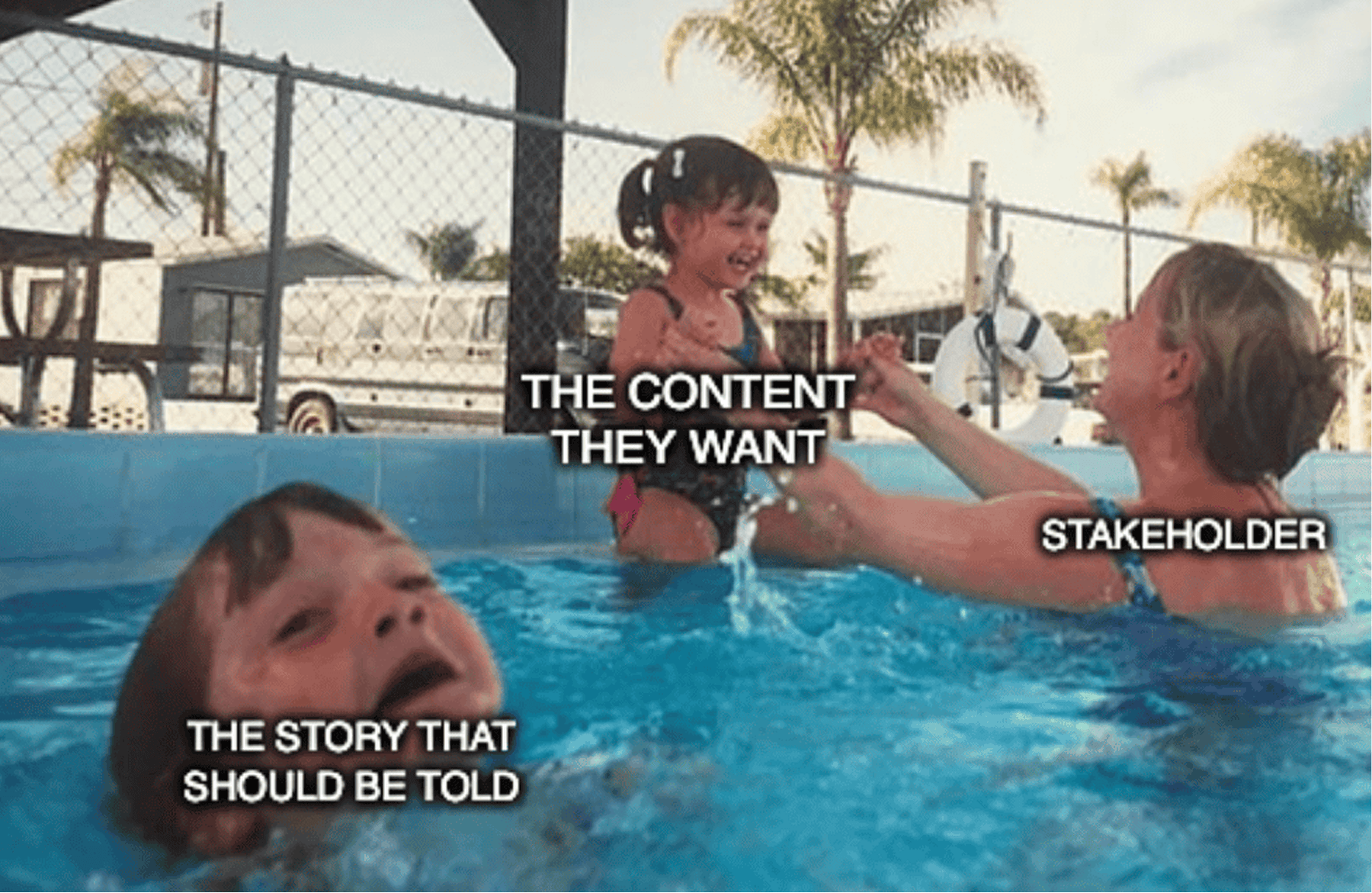
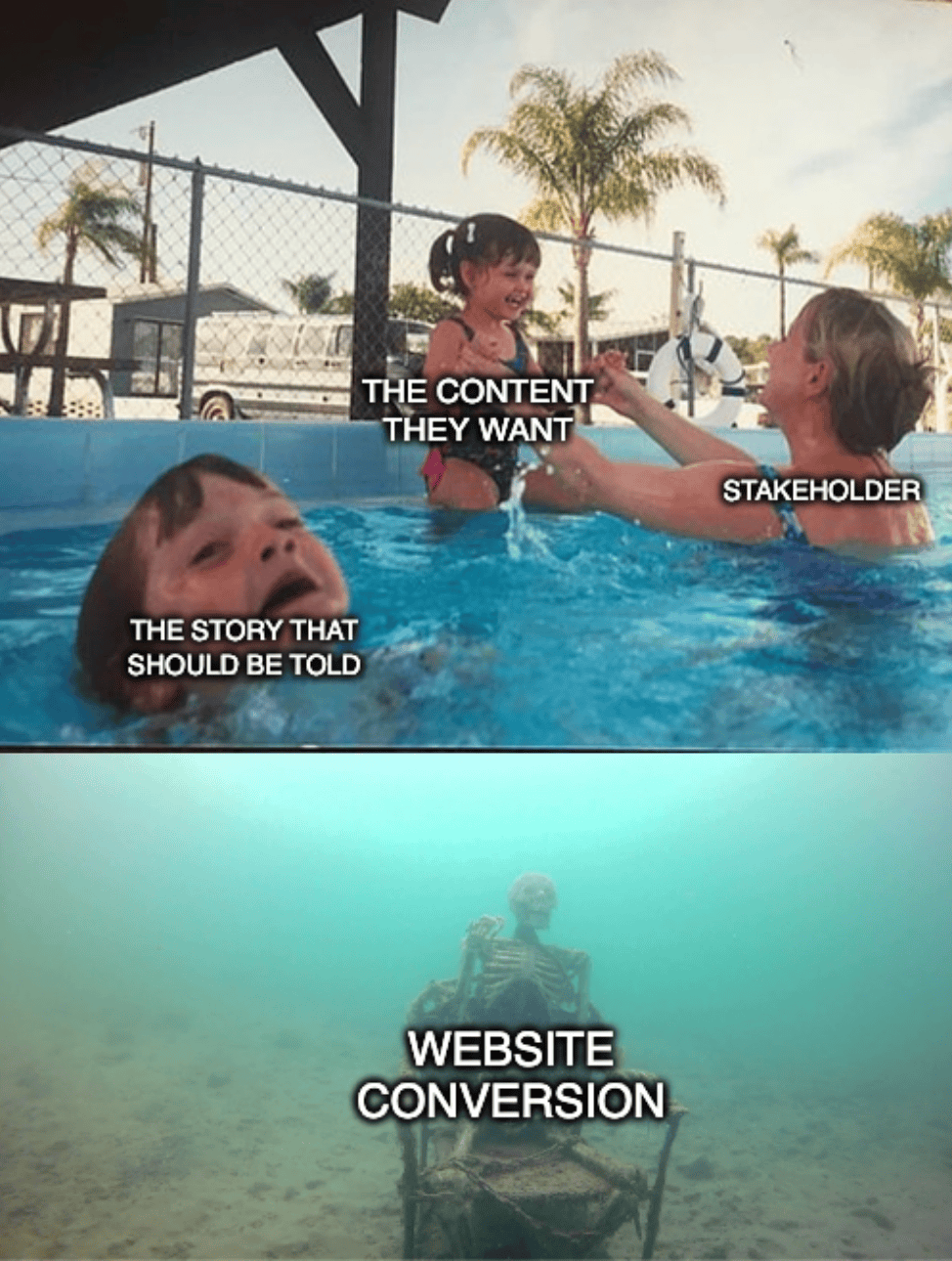
A perfectly good website gets destroyed because someone with equity insists on featuring their pet project, matching what competitors highlight, or cramming in whatever got mentioned in the last board meeting.
The result? Something that looks less like a homepage and more like an instruction manual. Everything shouting, nothing landing, and your poor CTA’s left crying out for clicks.
When someone lands on your site, they have three questions:
If those aren't answered immediately, they’re likely to leave. Not because your product is bad. Because your website made them work too hard to figure out if they should care.
And the data backs this up: A study by Millward Brown found that for every message you add to an ad, comprehension drops by roughly a third.
The impetus is often understandable: your product team is proud of their work, and the exec team is petrified of leaving money on the table.
Both miss the same thing: good positioning and design aren’t about saying more. They’re about creating clarity.There’s a lot you could say, but strong positioning forces a harder question: what are we willing to leave out?
At Moat, we speak with clients that are deeply knowledgeable about their products. That closeness is often the problem. When you’re waist-high in the product, it’s hard to see the forest for the trees. So we walk them through four questions:
1. Ask them to explain it in 10 seconds
If they can't, it's too complex for the homepage.
2. Ask them to prove customers care
If they can't point to customer interviews, win/loss data, or sales call recordings, it likely doesn't belong in primary messaging.
3. Ask them if competitors offer it
If the answer is yes, it's table stakes. It can live on a features page, but it's not differentiating. No-one’s buying “colour” TVs anymore.
4. Ask them what they're willing to remove
This is where the conversation gets real. If everything is important, nothing is. What are you willing to sacrifice to make room for this?
Ultimately, your website isn't failing because your product is weak. It's failing because you're trying to say too much. Because you’re too deep in the product and you’re missing the clear-sightedness that an outside perspective can bring.
You’re missing the eyes of the customer.
The best websites don't try to explain everything. They make one thing so clear, so compelling, and so immediately obvious that the visitor thinks, "This is exactly what I need."
Everything else can wait.
Your stakeholders might not like it right away. But they’ll like the conversion rates.